
Views: 0 Author: Site Editor Publish Time: 2025-11-25 Origin: Site


At the ports and terminals scattered all over the world, countless containers carry the trade exchanges of the world. Nowadays, some of these containers are being given a brand-new mission - they are no longer metal boxes for transporting goods, but have transformed into high-tech vertical farms, quietly nurturing vitality in the concrete jungle of the city. This is the container farm, an agricultural revolution that is quietly emerging.
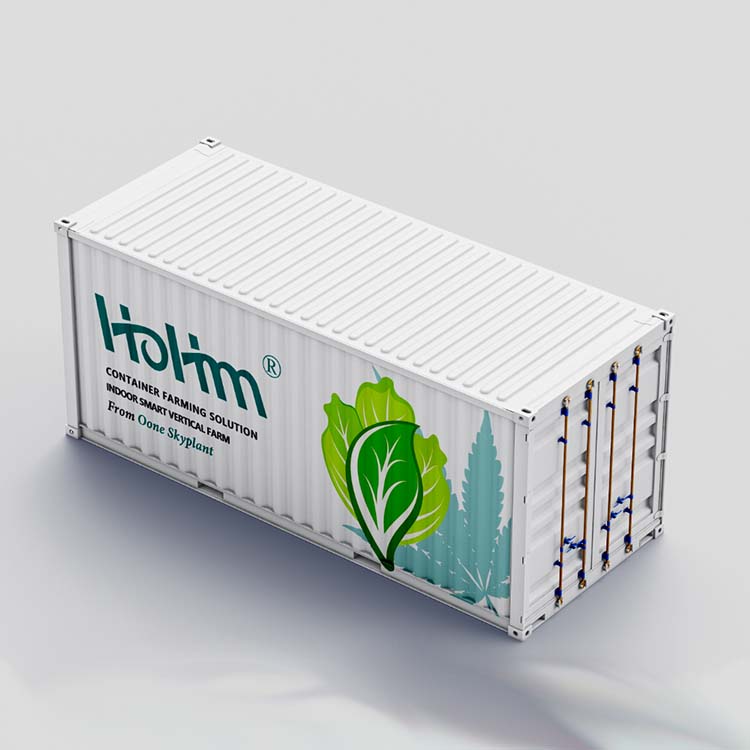
1.What is a container Farm?
In simple terms, a container farm is a specially modified standard sea container (usually 40 feet) equipped with a precise controllable environment agricultural system inside. It completely disregards the traditional soil and climate dependence and creates an ideal crop growth environment through the following core technologies:
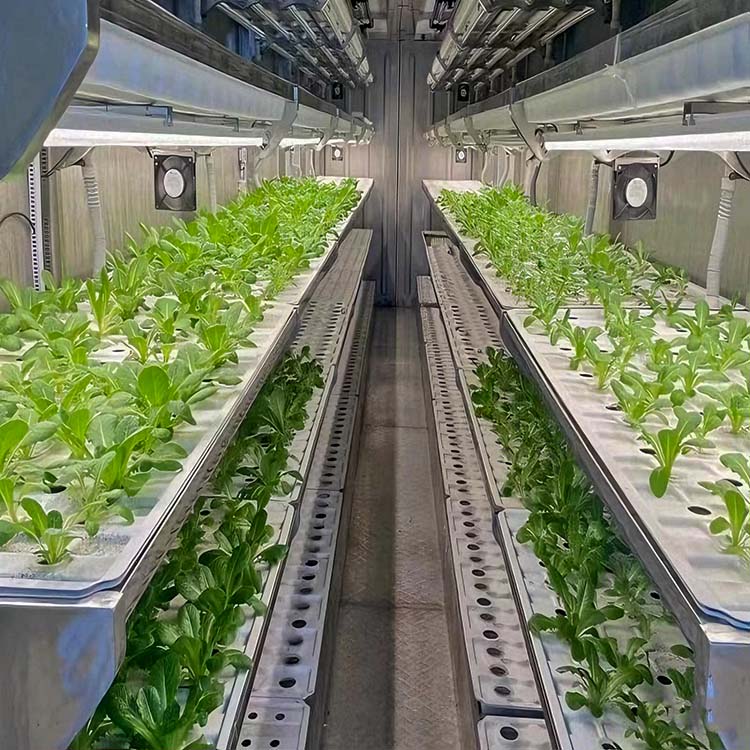
Vertical planting racks: Crops grow on layers of racks, making the most of space. The yield per unit area can reach dozens or even hundreds of times that of traditional farmland.
Hydroponics or aeroponics techniques: The plant roots do not come into contact with the soil but are immersed in a nutrient-rich water solution (hydroponics) or suspended in the air and sprayed with nutrient mist (aeroponics, which is more water-saving).
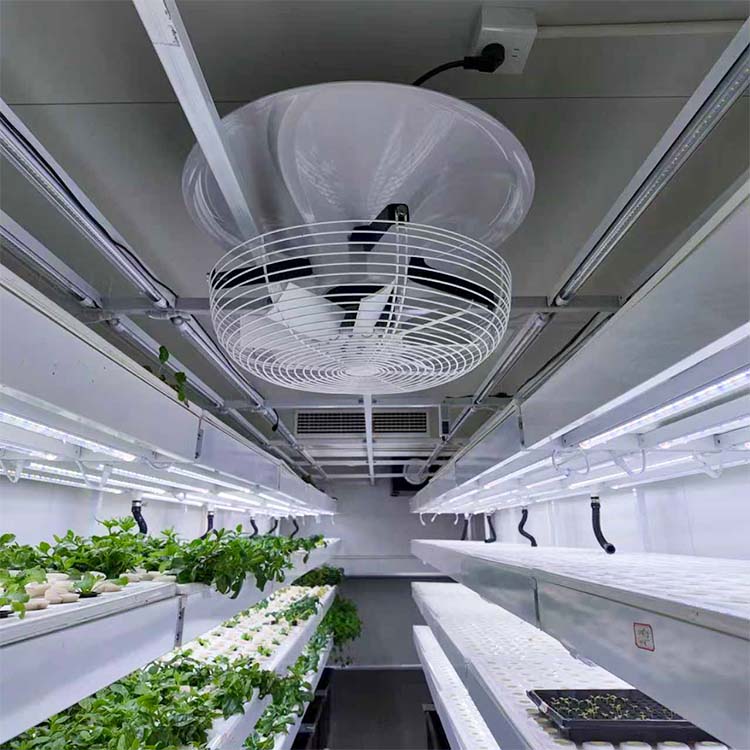
LED artificial light system: Replacing sunlight, it can provide light of specific spectra according to different crops and growth stages, optimize photosynthesis and shorten the growth cycle.
Intelligent climate control: The system precisely regulates the temperature, humidity, carbon dioxide concentration and air flow inside the container to ensure that the crops are always in the best growth condition.
2. Core Advantages of Container Farms
Why has this "black technology" agricultural model attracted so much attention and investment? Its advantages are obvious:
Ultimate location flexibility: It can be placed almost anywhere - in the corners of cities, abandoned construction sites, supermarket parking lots, school playgrounds, and even in deserts and polar regions. It has truly achieved zero distance between the "food production site" and the "food consumption site".
Year-round stable production without rest: Unaffected by natural factors such as seasons, droughts, floods, and extreme weather, it can achieve 365-day, 24-hour uninterrupted production, ensuring a stable food supply.
The resource utilization efficiency is extremely high:
Water conservation: Closed-loop systems save over 90% of water compared to traditional agriculture, and aeroponics technology can even save over 95% of water.
Zero pesticides: A sterile environment isolated from the outside world fundamentally eliminates pests and diseases. No chemical pesticides are needed, and the output is truly clean and safe agricultural products.
Shorten the supply chain and enhance food quality: Vegetables can be transported from the "farm" to the dining table in just a few hours, maximizing the retention of flavor and nutrition, and reducing spoilage and waste during transportation.
Empowering communities and education: Container farms can be deployed in community centers, school backyards, and restaurant backyards, not only providing fresh food but also serving as excellent science popularization and education bases, allowing people to experience future agricultural technologies firsthand.
Container farms are not intended to replace traditional agriculture but rather serve as a powerful supplement, especially in an era of rapid urbanization. It is an innovative solution to challenges such as the resilience of urban food supply, water shortages and climate change. It is not merely a farm, but a declaration, indicating that a more sustainable, flexible and consumer-friendly agricultural production method is becoming a reality. In the future, every container around us may be a vibrant green granary.


